What Is A Indoor AQI?
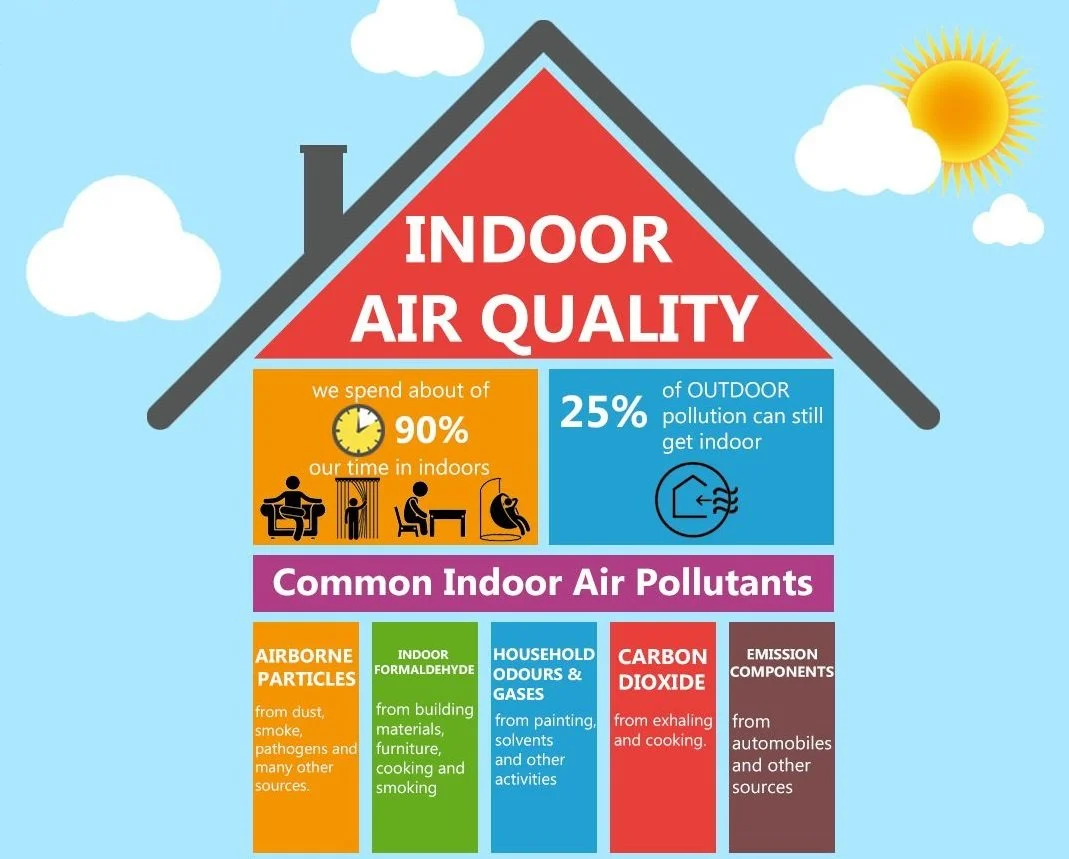
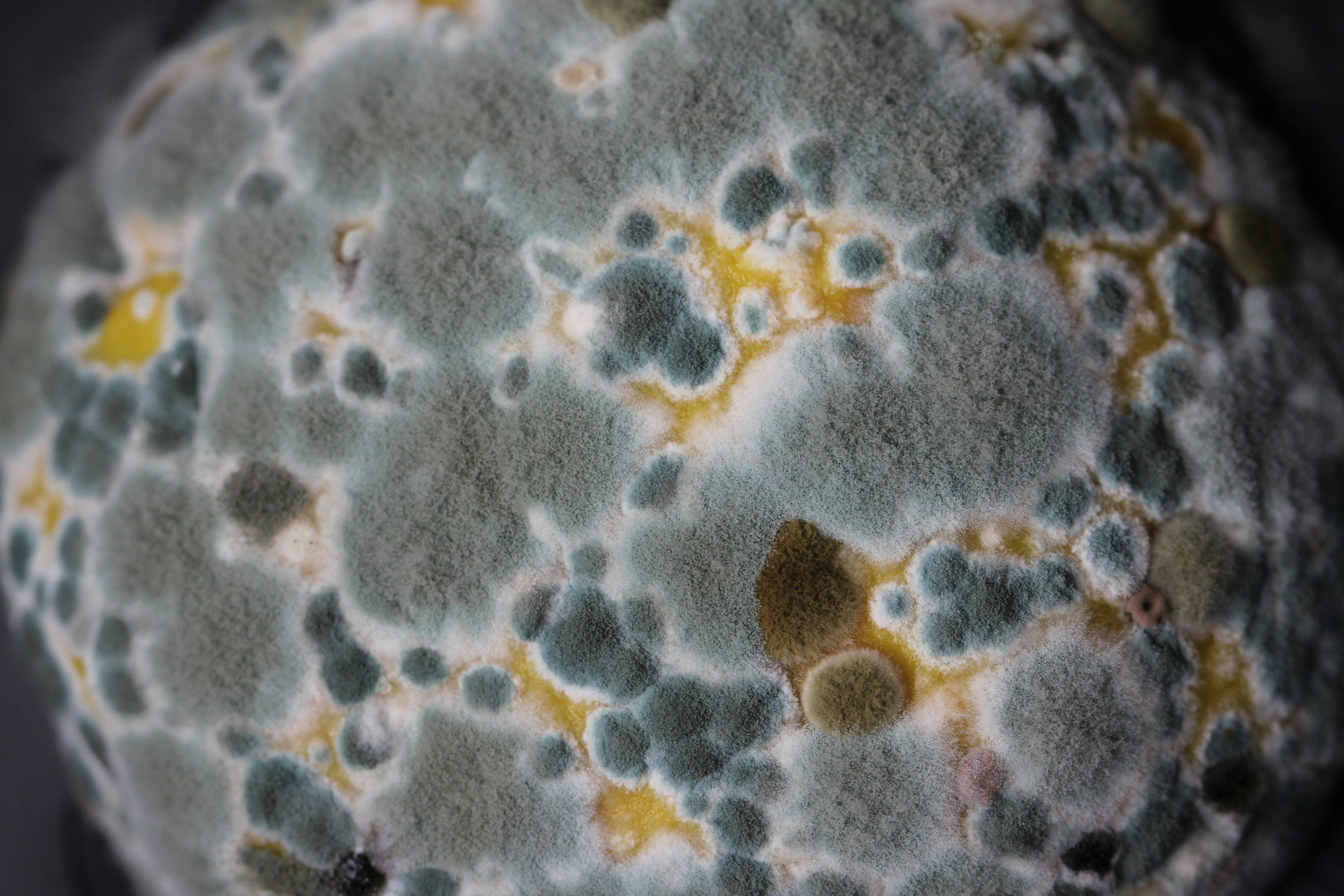
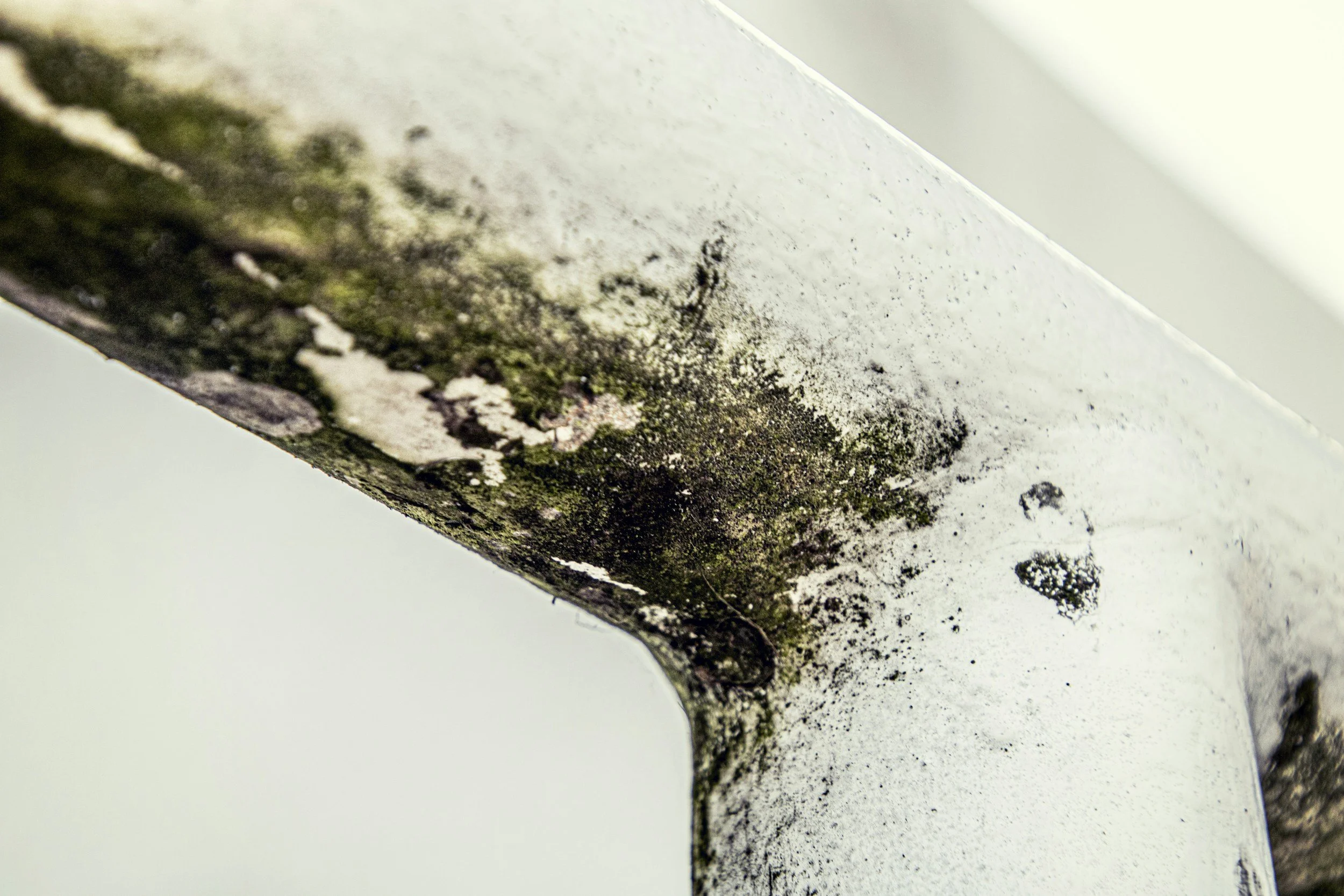
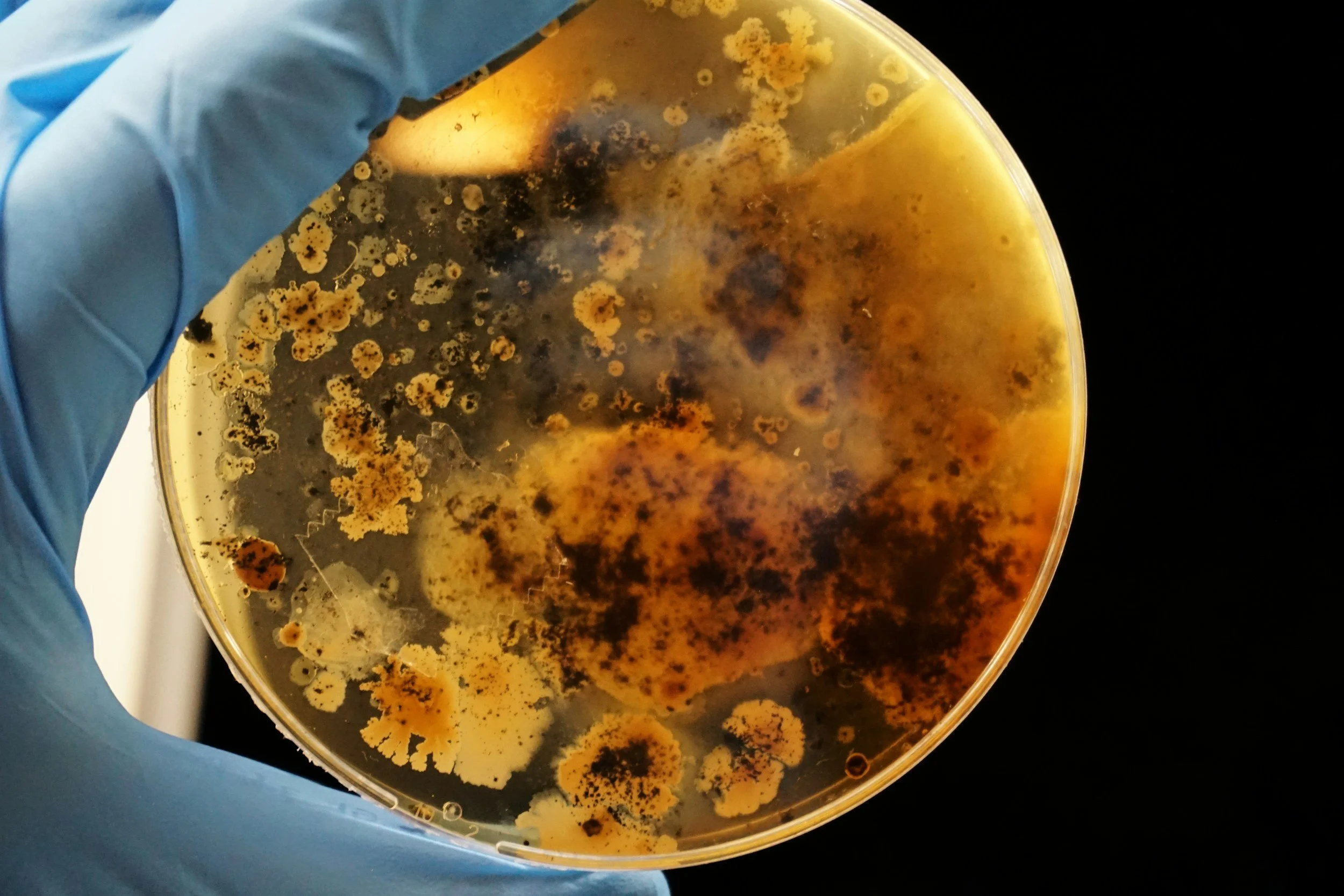
Our indoor air quality assessment is a professional assessment of the air inside your home or workplace to identify hidden pollutants that can affect health and comfort. It involves checking for contaminants such as mould spores, dust particles, chemical vapours, excess moisture, and airborne allergens. Using specialised equipment, inspectors measure air quality levels, pinpoint problem areas, and identify sources of pollution. The goal is to detect issues early and provide clear recommendations to improve air quality, helping create a safer, healthier indoor environment.
What can poor indoor air cause?
Poor indoor air quality can have a serious impact on health, especially with long-term exposure. Common health risks include respiratory problems such as coughing, wheezing, asthma flare-ups, and shortness of breath. Airborne pollutants can also trigger allergies, eye and throat irritation, headaches, dizziness, and fatigue. Over time, continued exposure to mould spores, fine particles, and chemical pollutants may weaken the immune system, worsen existing heart or lung conditions, and contribute to chronic respiratory illness. For children, older adults, and those with underlying health issues, the risks are often more severe.
Most vulnerable to poor indoor air:
Children – their lungs and immune systems are still developing, making them more sensitive to airborne pollutants
Older adults – often have reduced lung capacity and are more vulnerable to respiratory issues
People with asthma or allergies – poor air quality can trigger flare-ups and breathing difficulties
Individuals with heart or lung conditions – polluted air can worsen existing health problems
Pregnant women – exposure may affect both maternal health and development
People with weakened immune systems – less able to fight off the effects of pollutants
Those who spend long periods indoors – such as remote workers, care-home residents, or young children